

August 18, 2025
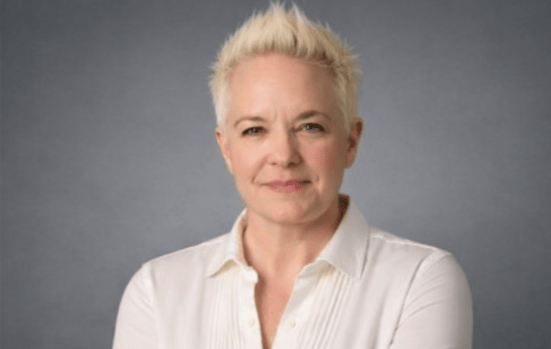
Dallas-based Brandi Whitson has spent 35 years building the kind of administrative career that proves this profession has never been just about managing calendars. She won the Admin Awards' Colleen Barrett Award for Administrative Excellence for her work as Executive Assistant to the CEO of Pizza Hut. Today, she serves as Senior Executive Assistant to the Deputy CEO and President of the Americas at Bosch Home Comfort, continuing a career defined by trusted partnership, sound judgment, and an instinct for seeing what leaders need before they ask.
What did you want to be when you were a child?
A schoolteacher, probably high school English.
Did you choose the Administrative Profession or did you stumble into it?
I stumbled into it. My mother was a career EA and unknowingly my mentor
What's something you're most proud of in your career?
Continuing to grow the depth and breadth of my responsibilities from one great leader to the next
Has there been a low point in your career? If so, share what you learned from it.
I honestly can say there is only one role I hated. It lasted three or four months, but I consider it a lesson not a low.
What is the most important thing you do as an Admin that will never appear in your job description?
The most important thing I do that will never appear in my job description is to provide the foresight, judgment, and trust that help leaders succeed. Administrative Professionals sit at the intersection of people, strategy, and execution. We see patterns, anticipate challenges, build relationships, and often solve problems before anyone else knows they exist.
What's the best piece of advice you've ever gotten, or can give about managing up?
The best advice I ever received about managing up is this: don't just support the executive, understand what keeps them awake at night. When you understand their priorities, pressures, and goals, you can anticipate needs, solve problems proactively, and become a true strategic partner. The more you understand their business, priorities, and leadership style, the more value you can add. The goal isn't to react to requests; it's to anticipate them.
What part of your job gives you the most energy? What part drains you?
I get the most energy from helping leaders and teams achieve what they didn't think was possible. I love solving problems, building relationships, and turning strategy into action. What drains me is unnecessary rework and preventable crises. I believe proactive planning and clear communication save time, energy, and resources for everyone involved.
What's the hardest part of supporting a leader that most people never see?
The hardest part of supporting a leader is carrying the weight of trust. Over time, you become more than an administrator. You become a trusted advisor, confidante, and often one of the few people who sees the full picture. With that comes immense responsibility, discretion, and sometimes difficult decisions that can't be shared or discussed openly. It can feel a bit like an island at times. That said, I wouldn't change it. Being entrusted with that level of confidence is both the greatest privilege and the most important responsibility of my career.
What's one thing you've learned to say "no" to that's improved your work life?
It's not about one thing. I've learned to say no when something doesn't align with the highest priorities, even when saying yes would be easier in the moment. Early in my career, I felt obligated to accommodate every request. Over time, I learned that every yes is also a no to something else: time, focus, energy, or a more important priority. The real lesson wasn't learning what to say no to. It was learning when I should. Having the autonomy to make those decisions, trusting my judgment, and listening to my instincts has greatly improved my effectiveness and my work life.
What's a "favorite failure" of yours and how did it set you up for later success?
One of my favorite failures was a role early in my career where, despite my best efforts, the partnership wasn't the right fit. I spent several months supporting a leader whose values and leadership style were very different from my own. At the time, I viewed it as a setback. Looking back, it was one of the most valuable experiences of my career. It taught me that a successful executive-assistant partnership is built on mutual trust, respect, and shared values. It also gave me the confidence to recognize when a situation isn't right and to advocate for the kind of partnership where both people can thrive. That experience ultimately led me to work with exceptional leaders and reinforced something I still believe today: who you support matters just as much as how you support them.
Describe a challenge you've overcome either professionally or personally that helped shape who you are today.
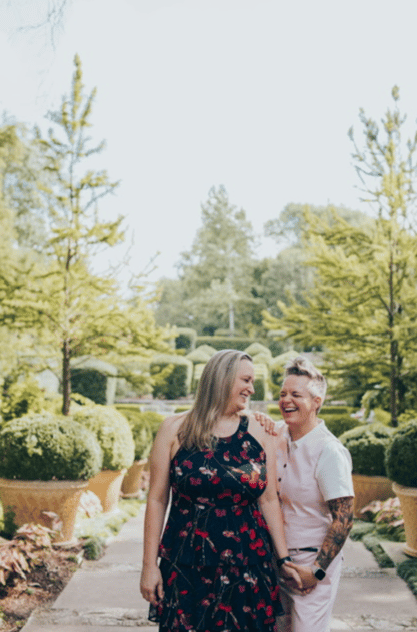
One of the most defining challenges in my life was finding the courage to live authentically. At 39, with two young sons, I came out and began building a life that was more aligned with who I truly was. It wasn't a single moment, but a journey that required vulnerability, resilience, and a willingness to embrace uncertainty. That experience taught me that growth often starts on the other side of discomfort. It made me more empathetic, more confident in my own voice, and more willing to lead with authenticity. Those lessons have shaped not only who I am as a person, but also how I show up as a trusted partner, colleague, and leader.
Would you hire yourself for the version of this profession that will exist five years from now? Why or why not?
Absolutely. The Administrative Profession is evolving rapidly, and that's exactly what excites me. Throughout my career, I've intentionally pursued knowledge beyond traditional administrative skills, immersing myself in technology, business, leadership, and the broader forces shaping the world around us. The Executive Assistants who will thrive five years from now won't simply manage tasks; they'll be strategic partners, critical thinkers, relationship builders, and technology adopters. I continuously invest in my growth because I never want to stop learning. Most importantly, I know my value. I trust my judgment, embrace change, and genuinely love what I do. If I were hiring for the future of this profession, I'd absolutely hire someone who remains curious, adaptable, and committed to evolving alongside it.
What are you still trying to get better at?
Communication. I've always been fascinated by it, whether it's written, spoken, or communicated through actions. Much of my success as an Executive Assistant has come from my ability to connect with people, build trust, and convey information effectively. Ironically, because I value communication so much, I can sometimes overcommunicate or spend too much time searching for the perfect wording. I've learned that clarity is often more important than perfection. It's something I continue to work on because communication is never truly mastered. The better communicator I become, the better partner, leader, and advocate I can be for the people I support.
What's something you believed early in your career that you no longer believe?
Early in my career, I believed that other people's opinions of me mattered more than they actually did. I spent too much energy trying to earn approval, avoid disappointment, and meet everyone's expectations. Over time, I learned that while feedback can be valuable, self-worth can't be outsourced. Today, I care deeply about doing excellent work, acting with integrity, and treating people well, but I no longer measure my success through someone else's opinion of me. At the end of the day, the opinions that matter most are my own and God's. That shift has given me more confidence, more peace, and the freedom to lead and serve authentically.
If every executive in America could hear one message from you, what would it be?
If every executive in America could hear one message from me, it would be this: Stay connected to your people. Listen to the voices at every level of your organization, from the front line to the boardroom. As leaders advance, it becomes easy to become insulated from the daily realities of the people doing the work. Some of the most valuable insights, innovations, and warning signs come from those closest to the customer, the product, and the process. As an Executive Assistant, I'm often the ear to the ground. I hear things, sense shifts, and see patterns. But there is no substitute for executives walking the halls, asking questions, and spending time in the spaces where their people live and work. Leadership is most effective when it remains connected to the human experience of the organization.
In the last five years, what's one new belief, behavior, or habit that has most improved your life?
The most impactful belief I've adopted is that my health is not a luxury; it's a priority. For much of my life, like many Administrative Professionals, I put the needs of everyone else first. Over the last eight years, I've intentionally changed that. I strength train 5 to 6 days a week, prioritize sleep, stay hydrated, eat well most of the time, and maintain regular preventive care with my doctor. Most importantly, I've learned not to put my health behind someone else's request or deadline. Taking care of myself isn't selfish; it's what allows me to show up fully for my family, my colleagues, the executives I support, and myself. It's one of the best investments I've ever made.
What's something you're unusually picky about?
I'm unusually picky about how my time is spent. Not because I'm rigid, but because I've learned that time is our most finite resource. Every commitment is a choice, and every "yes" means saying "no" to something else. As I've grown in my career, I've become much more intentional about protecting my time and focusing on what matters most. I respect other people's time, and I appreciate when they respect mine.
Have you ever disappointed yourself? What happened, and what did you learn from that experience?
I wouldn't say I've disappointed myself often. I'm generally my own biggest encourager and believe growth comes from learning, not self-criticism. If I had to choose one thing, I wish I had invested in myself earlier in my career. For a long time, I focused on taking care of everyone else, my executives, my teams, my family, and my responsibilities. While that served me well, I didn't always prioritize my own development, health, and personal growth as intentionally as I do today. That said, I don't regret the journey. The lesson itself was valuable. It taught me that investing in yourself isn't selfish; it's necessary. And I think I appreciate that truth today because I had to learn it the long way.
What's something about you that people would be surprised to learn?
Many people are surprised to learn that I spent nearly 20 years in Toastmasters and even sang in a cover band. While most people know me as organized, strategic, and behind the scenes, I've always enjoyed being on stage and connecting with people through communication. Looking back, those experiences helped shape the confidence and communication skills that have served me throughout my career.
What's one decision you're especially glad you made, even though it felt risky at the time?
I've made several decisions throughout my career that felt risky in the moment, especially when it came to changing companies, supporting new leaders, or stepping into unfamiliar opportunities. Each one required me to leave behind something comfortable and trust myself in the process. What I've learned is that growth rarely happens in the safe spaces. Over time, I've become less risk-averse because I've built confidence in my ability to adapt, learn, and land on my feet. Looking back, I'm grateful for every one of those decisions. None of them were guarantees, but each helped shape my career, strengthen my intuition, and remind me that sometimes the greatest risk is staying where you've outgrown yourself.
What's the biggest professional risk you've ever taken, and was it worth it?
The biggest professional risks I've taken have been deciding when it was time to leave a company and start over somewhere new. Walking away from a familiar role, a known team, or a comfortable environment is never easy, especially when there are no guarantees waiting on the other side. But each time, I trusted my instincts. I've learned that growth often requires letting go of what's comfortable in order to make room for what's possible. Every career move felt risky in the moment, and every one of them taught me something valuable. Was it worth it? Absolutely. Each decision expanded my skills, relationships, confidence, and perspective. Looking back, I don't regret any of them.
What truth have you told a leader that no one else was willing to say?
One of the hardest truths I've ever shared with a leader was that they and their leadership team had become too disconnected from the broader organization. Decisions were being made with good intentions, but many employees felt unheard, unseen, and detached from the direction of the business. As Executive Assistants, we often have a unique vantage point. We hear concerns, observe patterns, and understand the pulse of the organization in ways others may not. I felt a responsibility to share what I was seeing: that people weren't looking for all the answers; they wanted to know their voices mattered.
How do you build enough trust and confidence to challenge someone who has more authority than you?
Trust isn't built when you challenge someone. It's built long before that moment ever arrives. You earn it through consistency, discretion, good judgment, and by repeatedly demonstrating that your goal is the success of the leader and the organization, not being right. Over time, credibility creates permission for candor. I've learned that challenging someone with more authority isn't about confidence as much as it is about responsibility. If I see a risk, a blind spot, or a perspective that needs to be considered, I owe it to them to speak up. The best leaders I've supported haven't wanted agreement; they've wanted honesty. The conversation is much easier when it comes from a foundation of trust and mutual respect.
What's something you wish you'd had the courage to do sooner?
I wish I'd had the courage to sing sooner. I didn't start until my 30s, and for years I let self-doubt and practicality outweigh something I genuinely loved. Eventually I joined a cover band, and it became one of the most fun and rewarding experiences of my life. It wasn't my career, but it challenged me, brought me joy, and connected me with people in a completely different way. If I have one regret, it's that we didn't keep the band together longer. The experience taught me that not everything worth pursuing has to advance your career. Sometimes it's enough that it makes you feel alive.
If you could do it all over again, would you still choose this profession? Why or why not?
100,000% yes. This profession has given me a front-row seat to leadership, business, strategy, and human connection. I've had the privilege of supporting CEOs, founders, and senior executives, helping organizations navigate growth, change, challenges, and success. No two days have ever been the same, and I love that. Being an Executive Assistant has allowed me to be a trusted advisor, problem solver, communicator, and strategic partner. It's constantly challenged me to learn, grow, and evolve.
What did winning an Admin Award validate that you had never been able to validate for yourself?
Winning an Admin Award validated something I had always sensed but never fully recognized for myself: that my impact and value extend far beyond any job description. Receiving this recognition reminded me that the unseen work matters. It validated that the contributions I make behind the scenes have a meaningful impact on the people, leaders, and organizations I serve.
Did recognition change how other people saw you, or how you saw yourself?
I think it did both. The recognition gave other people permission to say out loud what they had seen for years. Colleagues, leaders, friends, and peers shared perspectives about my impact that I had never fully allowed myself to embrace. In turn, that changed how I saw myself. Not because the award defined my value, but because it helped me recognize it in a deeper way. Sometimes we're so focused on doing the work that we don't stop to appreciate the difference we're making. Hearing others articulate my contributions helped me see myself through a new lens and gave me greater confidence in the impact I've had throughout my career.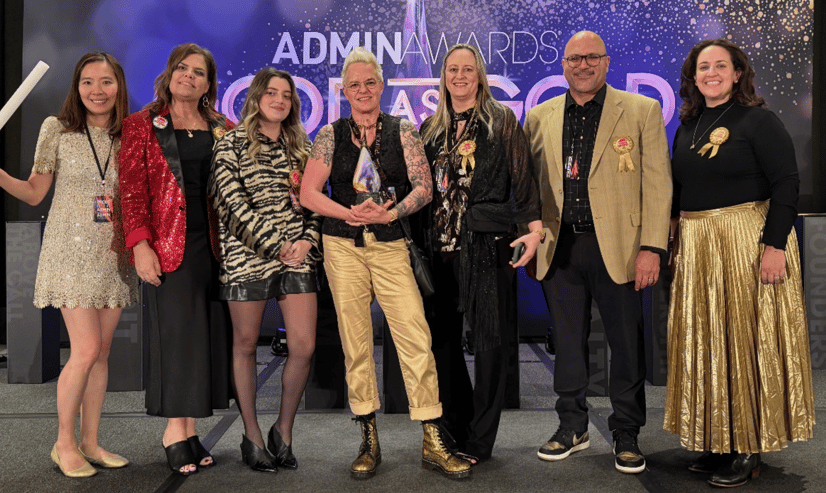
What's a quote or saying that inspires and motivates you that you gain strength or hope from?
My two favorites are: “You miss 100% of the shots you don’t take.” — Wayne Gretzky; and “Fear is a liar.”
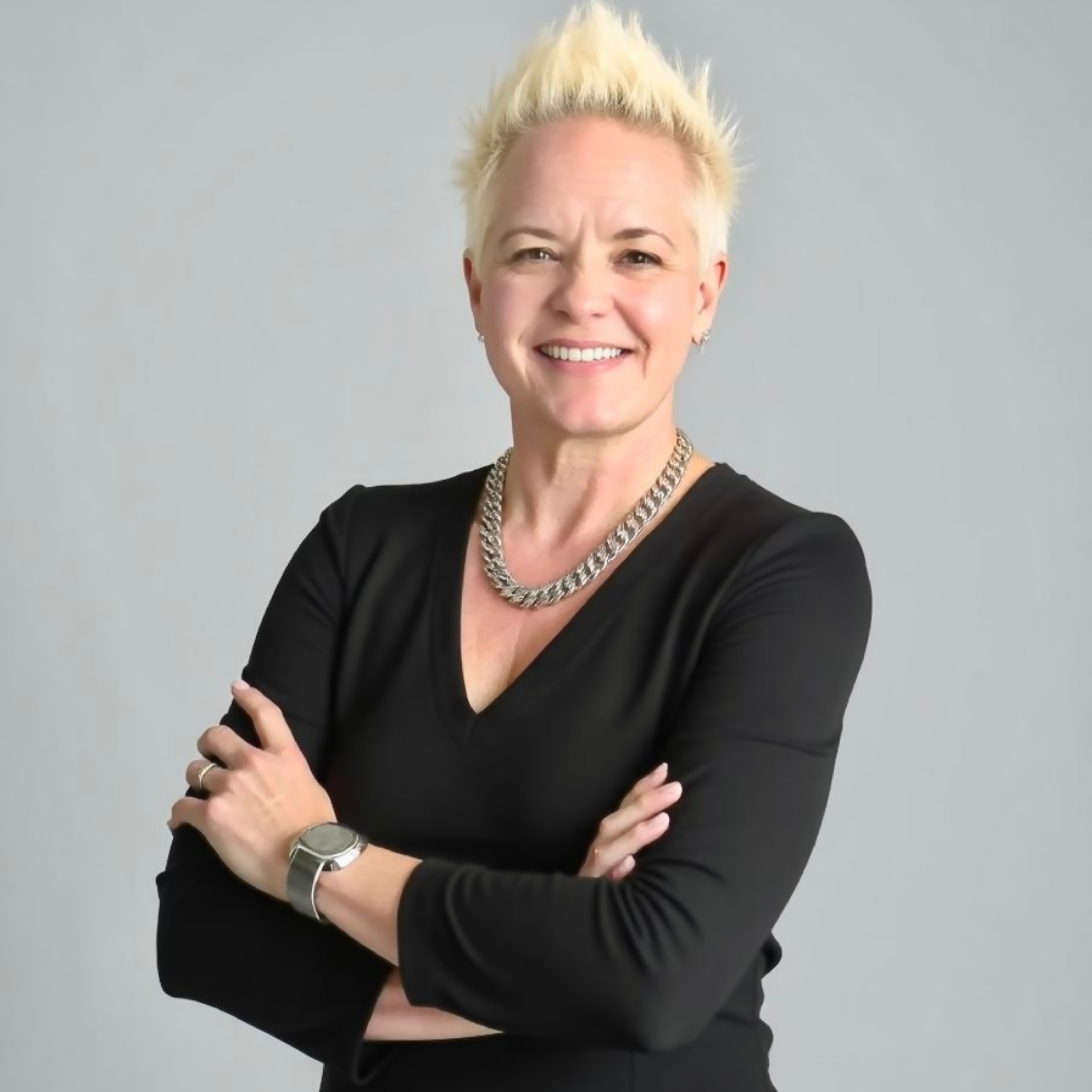
Brandi's Winning Playbook
- What does a 35-year Executive Assistant treat like a game every single day?
- Which surprisingly simple tech tool has saved her more times than she can count?
- What does she believe AI should eliminate first?
- Who are the two people Brandi believes every Admin needs in their career?
All that and more in her Winning Playbook!